


★ 4.8 rated by 5,345 verified learners · curriculum reviewed by IIT Faculty · Next batch starts · Call +91-9910918719
🏛️ IIT Jammu I3C Collaboration
✅ ASDC + AICTE NEAT + NSDC
🎓 Reviewed by IIT Faculty
India's #1 Electric Vehicle Course — Reviewed by IIT Faculty, Certified by ASDC, AICTE & NSDC
Join 50,000+ professionals who launched their EV careers with India's largest ASDC-certified Electric Vehicle training. Live IIT-faculty sessions, 3-day campus immersion at IIT Jammu, hands-on hardware workshops at Delhi & Bangalore labs, and dedicated placement support.
📅 Next batch starts — limited seats
5,345
★ 4.8 Reviews (IIT-Faculty Vetted)
50,000+
Professionals Trained
₹8.4 LPA
Avg. Package · 300+ Hiring Partners
CERTIFIED BY

Get Free EV Career Counselling
Speak with an EV career advisor in 24 hours
RECOGNIZED & CERTIFIED BY

WHY DIYGURU
The Only EV Course in India with IIT Faculty Review + ASDC, AICTE & NSDC Certification
How DIYguru compares with generic online learning platforms and traditional training institutes for Electric Vehicle careers.
| Feature | DIYguru EV Course | Generic Online Platforms | Traditional Training Institutes |
|---|---|---|---|
| IIT Faculty-Reviewed Curriculum | ✓ IIT Jammu I3C + IIT Delhi advisors | ✗ Self-curated | ✗ In-house only |
| ASDC (Govt of India) Certification | ✓ Yes | ✗ | Sometimes |
| AICTE NEAT Recognition | ✓ Yes | ✗ | ✗ |
| NSDC Accreditation | ✓ Yes | ✗ | Sometimes |
| Physical IIT Campus Immersion | ✓ 3 Days IIT Jammu | ✗ Online only | ✗ |
| Hardware-Based Hands-On Lab | ✓ DIY Kit + Real EV Components | ✗ Video only | Limited |
| EV-Only Placement Network | ✓ 300+ EV Companies via emobility.careers | General tech jobs | ✗ No placement |
| Verified Reviews | ✓ 4.8★ from 5,345 learners | Mixed | Not published |
| Total EV Alumni Trained | 50,000+ | Not EV-specific | Few hundreds |
| Live IIT-Faculty Sessions | ✓ 50+ Live Classes | ✗ Pre-recorded | ✗ |
| Multi-Region Offline Centres | ✓ Delhi + Bangalore + IIT Jammu | ✗ | Single city |
← swipe to see full comparison →
Comparison based on publicly disclosed program details across the EV training segment. Last updated April 2026.
PROGRAM HIGHLIGHTS
Everything You Need to Launch Your EV Career
A complete blended learning experience designed by IIT faculty and EV industry veterans.
IIT Jammu Campus Immersion
3-day on-campus experience at IIT Jammu's I3C centre — meet faculty, work in labs, network with peers.
50+ Live IIT-Faculty Sessions
Weekend live classes by IIT professors, ASDC trainers, and EV industry veterans from Bosch, Hyundai, Tata.
Hands-On Hardware Workshops
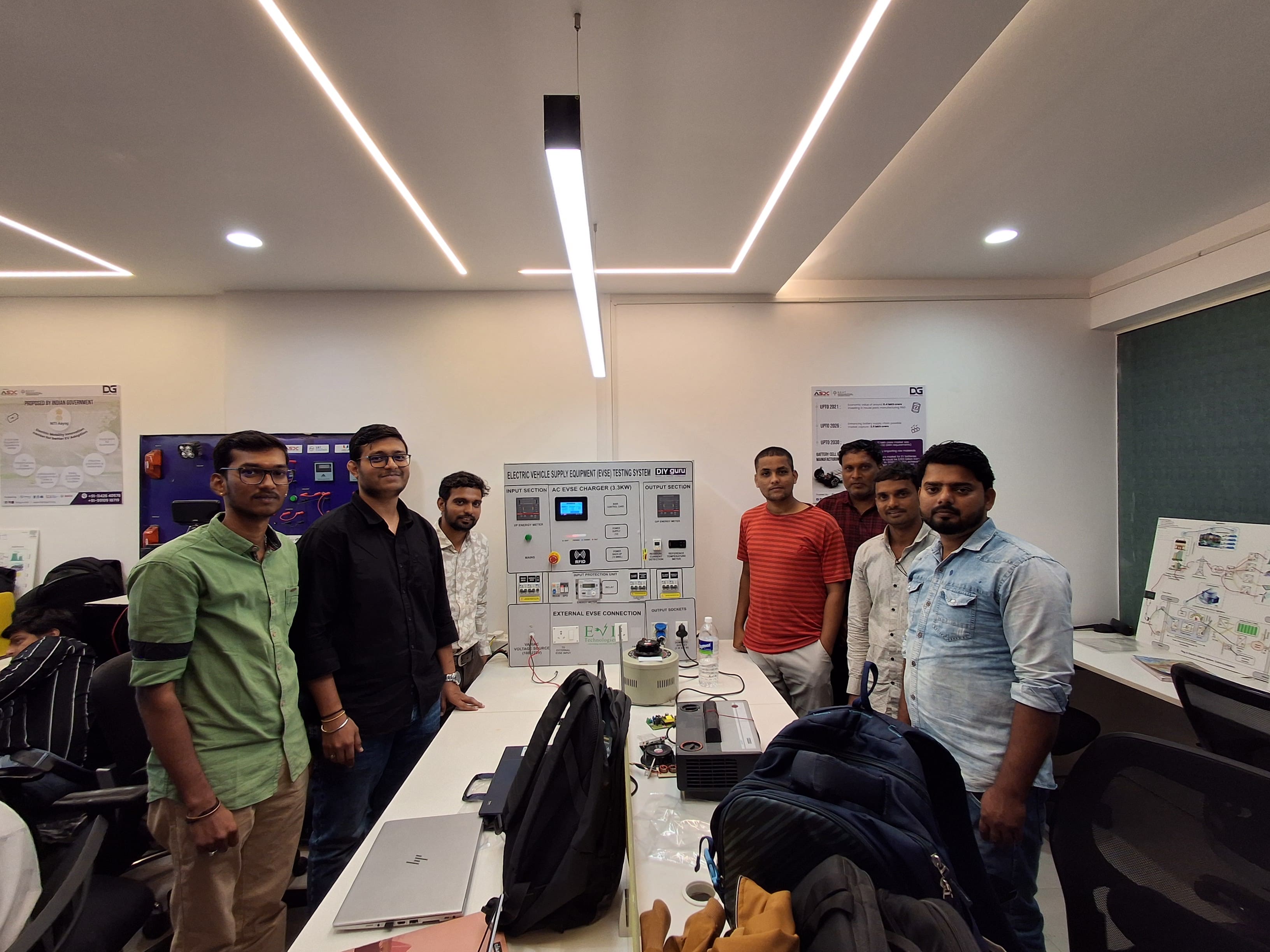
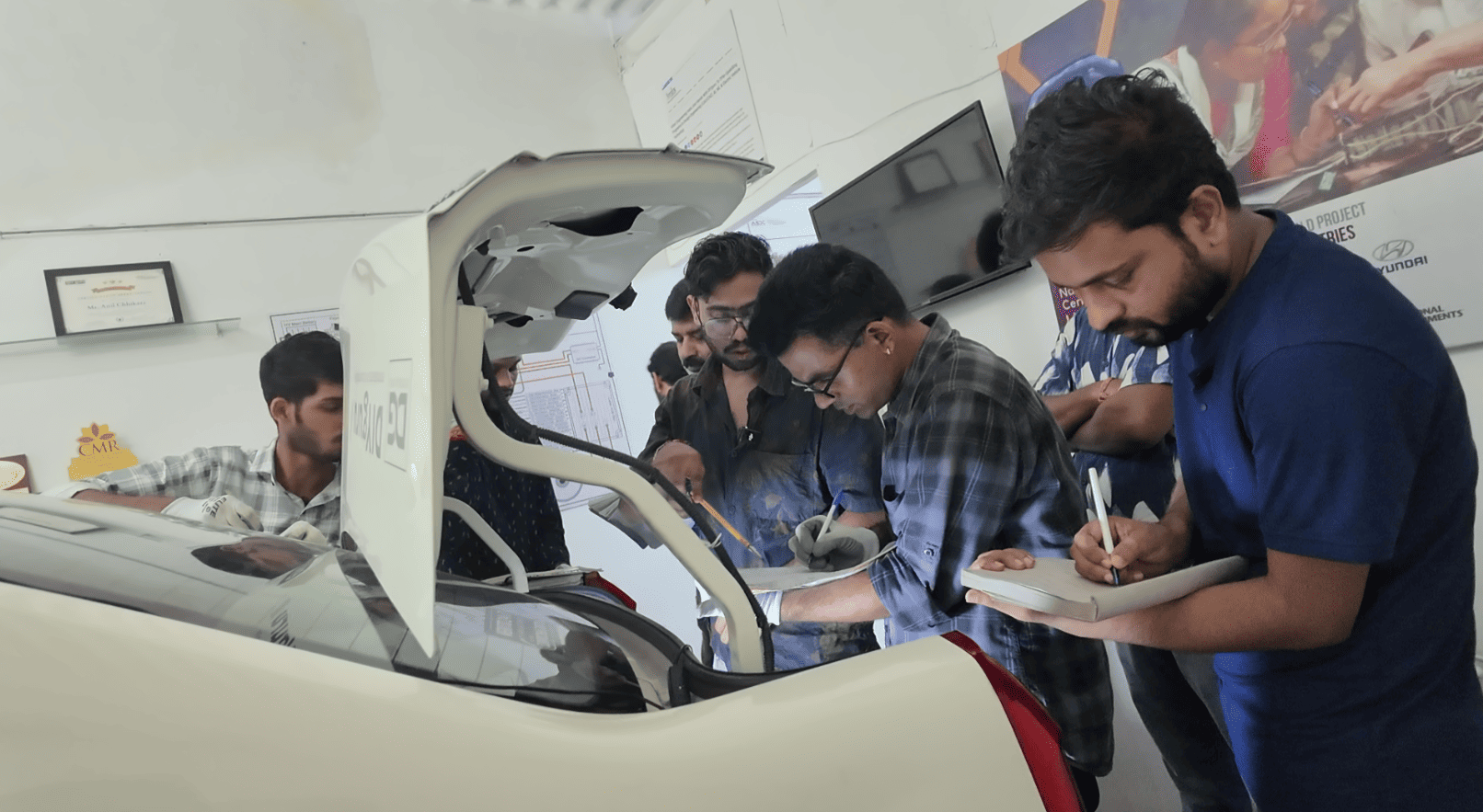
Work with real EV components — battery packs, BMS boards, BLDC motors, controllers — at Delhi & Bangalore labs.
Dedicated Placement Support
EV-only job portal (emobility.careers) with 300+ hiring partners. Mock interviews, resume building, 1-on-1 mentoring.
4 Government Certifications
IIT Jammu I3C + ASDC (Govt of India) + AICTE NEAT + NSDC — the only EV course with this much credibility.
Capstone EV Project
Design and simulate a complete EV — powertrain, battery sizing, BMS, range estimation — using MATLAB Simulink.
Global Alumni Network — 170+ Countries
Join a worldwide EV cohort. DIYguru alumni are active across India, UAE, Nigeria, Nepal, Indonesia, Kenya and 170+ more countries.
Lifetime Access + EV Tech Updates
Every live class recording is yours for life. Monthly alumni masterclasses on new EV tech — solid-state cells, CCS-2 updates, PLI policy shifts — delivered forever.
INDUSTRY DEMAND — 2026
Why EV Skills Are India's Highest-Demand Career Right Now
India's EV industry just had its biggest year ever. Verified FY2026 data from FADA & Vahan Dashboard:
24.52 Lakh EVs Sold in FY2026
India's EV market grew 24.6% YoY to a record 24.52 lakh units in FY2026 — the highest ever (Source: FADA, April 2026).
$31 Billion USD Market by 2026
India's EV market is projected to reach USD 31.09 billion in 2026, growing at 52.56% CAGR through 2035 (Precedence Research).
1 Crore Jobs by 2030
Ministry of Skill Development projects 1 crore direct EV jobs and 5 crore indirect jobs by 2030. Talent gap is real — and acute.
200,000+ Charging Points
India now has 30,000+ public charging stations and 200,000+ home chargers, requiring 4 lakh installations annually through 2030.
CURRICULUM
10 Comprehensive Modules + Capstone Project
Industry-aligned curriculum reviewed by IIT Jammu faculty, IIT Delhi advisors, and EV industry leaders.
MODULE 01
EV Fundamentals & Industry Landscape
- Global & Indian EV ecosystem
- FAME-II, PM E-DRIVE, PLI policies
- OEM landscape: Tata, Mahindra, Ola, Ather
MODULE 02
Vehicle Dynamics & EV Architecture
- Powertrain configurations (BEV, HEV, PHEV)
- Vehicle resistance & energy modelling
- EV vs ICE comparison
MODULE 03
Battery Technology & Cell Chemistry
- Li-ion, NMC, LFP, NCA chemistries
- Cell-to-pack architecture
- Battery sizing & range calculation
MODULE 04
Battery Management System (BMS)
- Cell monitoring & balancing
- SoC & SoH estimation algorithms
- Thermal management strategies
MODULE 05
Electric Motors & Drives
- BLDC, PMSM, Induction motors
- Motor sizing & selection
- Inverter & motor controller design
MODULE 06
Power Electronics for EVs
- DC-DC converters, inverters
- Onboard chargers (OBC)
- Regenerative braking systems
MODULE 07
Charging Infrastructure
- AC/DC charging (Level 1, 2, 3)
- CCS-2, CHAdeMO, Bharat DC-001
- Building fast chargers
MODULE 08
MATLAB Simulink for EV Design
- Powertrain modelling
- Battery & BMS simulation
- Drive cycle analysis (MIDC, WLTP)
MODULE 09
EV Safety, Standards & Compliance
- AIS-038, AIS-156 standards
- High-voltage safety protocols
- Functional safety (ISO 26262)
MODULE 10
Capstone Project + Career Prep
- Design a complete EV (2W/4W)
- Industry pitch presentation
- Resume, LinkedIn, mock interviews
TOOLS YOU'LL MASTER
Industry-Standard EV Engineering Software
Hands-on training on the same simulation, embedded, and design tools used by Bosch, Tata, Hyundai and Ola engineering teams.
 MATLAB
 Simulink
 SolidWorks
 Ansys
Ansys Altair
 Arduino
 STM32
STM32 KEIL ARM
 LTspice
 Proteus
 Python
 Embedded C
 AUTOSAR
 Vector
 QSS Toolbox
CURRICULUM REVIEWED BY
IIT Faculty & Industry Leaders Behind Your Course
Every module is co-designed with academic and industry advisors. Your 4.8★ rating from 5,345 learners is built on this depth.
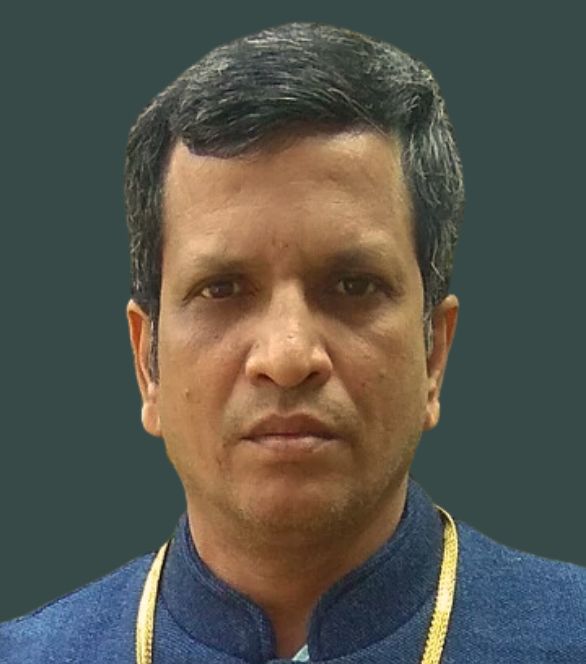
Dr. BK Panigrahi
Head, CART
IIT Delhi · Curriculum Advisor
IIT Delhi · Curriculum Advisor
Centre for Automotive Research & Tribology, IIT Delhi. Reviews powertrain, BMS and EV systems modules.

Arindam Lahiri
CEO, ASDC
Govt of India
Govt of India
Heads the Automotive Skills Development Council. Aligns DIYguru certification with national EV skill frameworks.
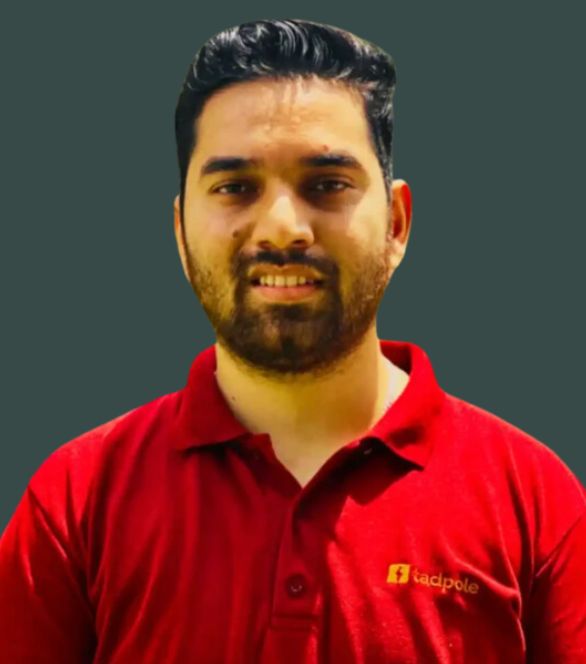
Jawaad Khan
Senior EV Trainer
DIYguru · ex-Tadpole EV
DIYguru · ex-Tadpole EV
EV powertrain, motor-drive and vehicle-integration specialist. Brings hands-on EV startup experience from Tadpole into live sessions.

Dr. Harpal Thethi
Advisor — Corporate Relations
DIYguru
DIYguru
Bridges DIYguru with EV OEMs and Tier-1 suppliers. Curates industry-aligned capstone briefs and employer panels.

Ramesha BS
Academics Head, Altair
DIYguru Advisor
DIYguru Advisor
Leads Altair's India academic programme. Advises on CAE, HyperWorks, and multi-physics EV simulation modules.

Avinash Singh
Co-founder & CEO
DIYguru Mobility
DIYguru Mobility
Architect of India's largest EV training programme. Trained 50,000+ professionals across 170+ countries.

Rahul Soni
EVI Trainer
Electric Vehicle Institute · DIYguru
Electric Vehicle Institute · DIYguru
EV systems trainer from EVI. Delivers applied sessions on battery tech, BMS, charging standards and vehicle integration.

Rahul Kumar Bidawat
Lead Trainer
DIYguru
DIYguru
Delivers core EV powertrain, motor-drive and power-electronics modules. 8+ years training IIT & industry cohorts.
CAREER OUTCOMES
Top EV Career Roles & Salaries in India (2026)
Average DIYguru EV graduate package: ₹8.4 LPA. Highest: ₹14 LPA. Verified from Q4 2025 placement data.
Battery Engineer
₹13+ LPA
Cell design, BMS, pack integration
Powertrain Engineer
₹8–15 LPA
Motor & drivetrain integration
BMS Developer
₹10–18 LPA
Algorithms, embedded firmware
EV Design Engineer
₹6–12 LPA
Vehicle architecture, packaging
Charging Infra Specialist
₹7–14 LPA
EVSE, station planning
EV Test Engineer
₹5–10 LPA
Validation, drive cycles
EV Service Manager
₹6–11 LPA
After-sales operations
EV Sales & Marketing
₹5–12 LPA
B2B & B2C dealerships
Our 50,000+ Alumni Work At





Placement powered by emobility.careers — India's only EV-specific job portal
CERTIFICATION
4 Industry-Recognized Certifications
The only EV course in India that issues all four credentials in a single program.
IIT Jammu I3C
Joint certificate from IIT Jammu's Industry-Institute-Innovation Centre — co-signed by IIT faculty.
ASDC Govt of India
Automotive Skills Development Council certification — recognized by all major auto OEMs.
AICTE NEAT
National Educational Alliance for Technology — issued under AICTE's premium learning ecosystem.
NSDC + Min. of Education
National Skill Development Corporation — Government of India's official skilling certification.
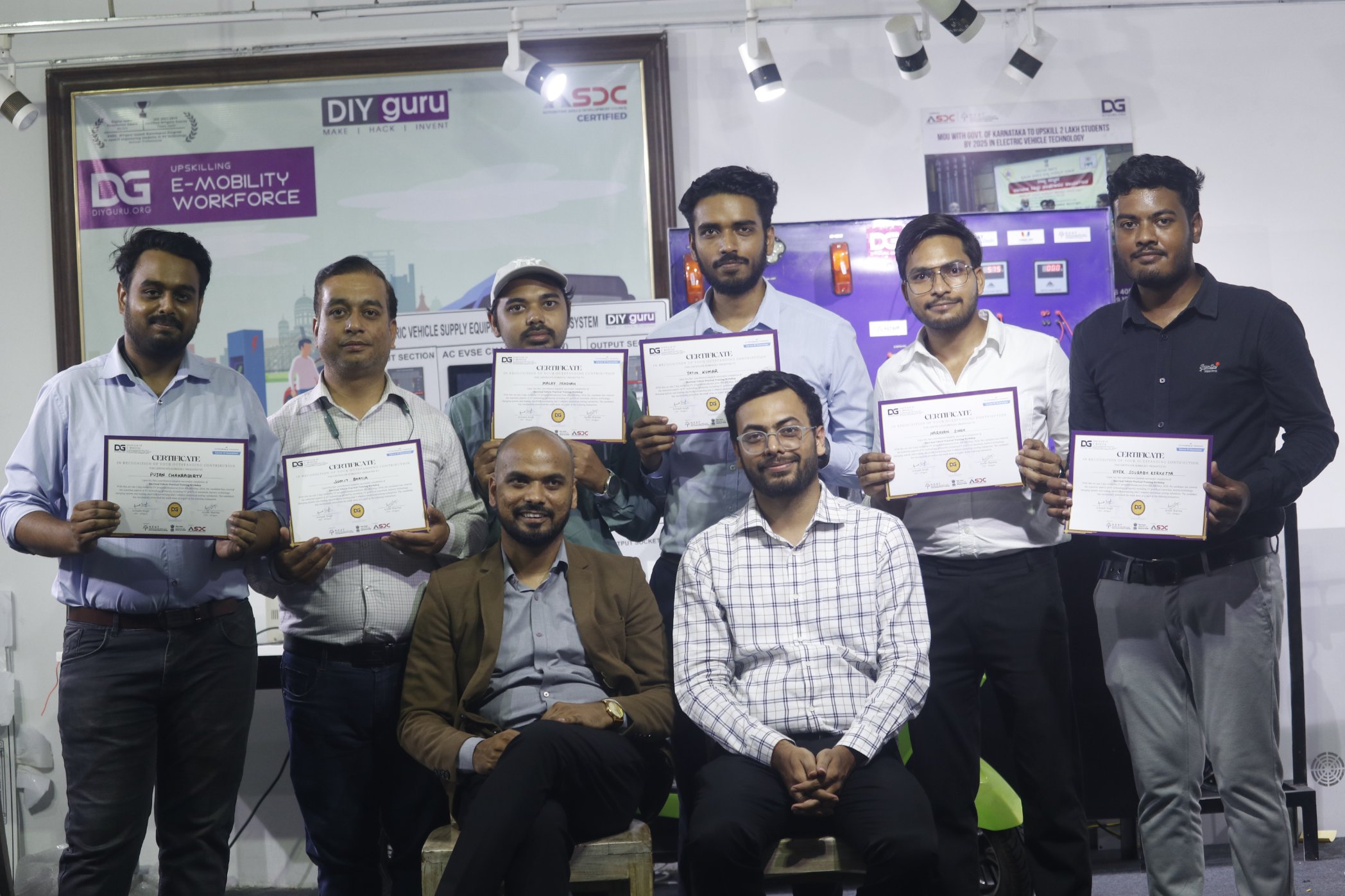
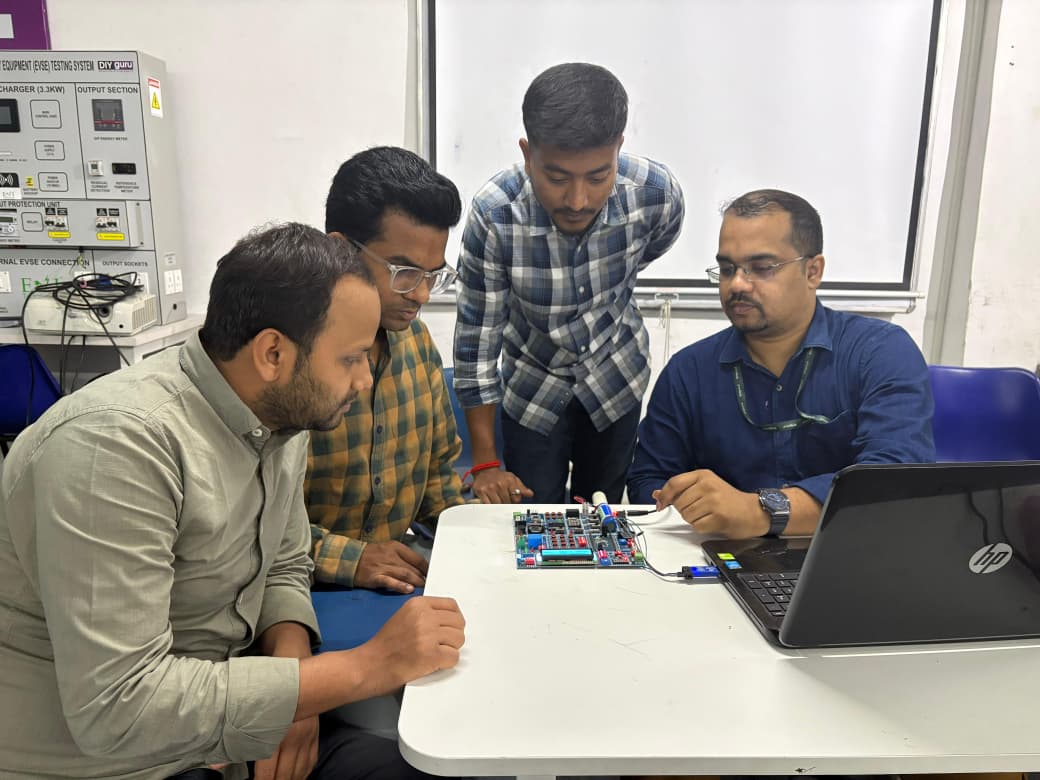
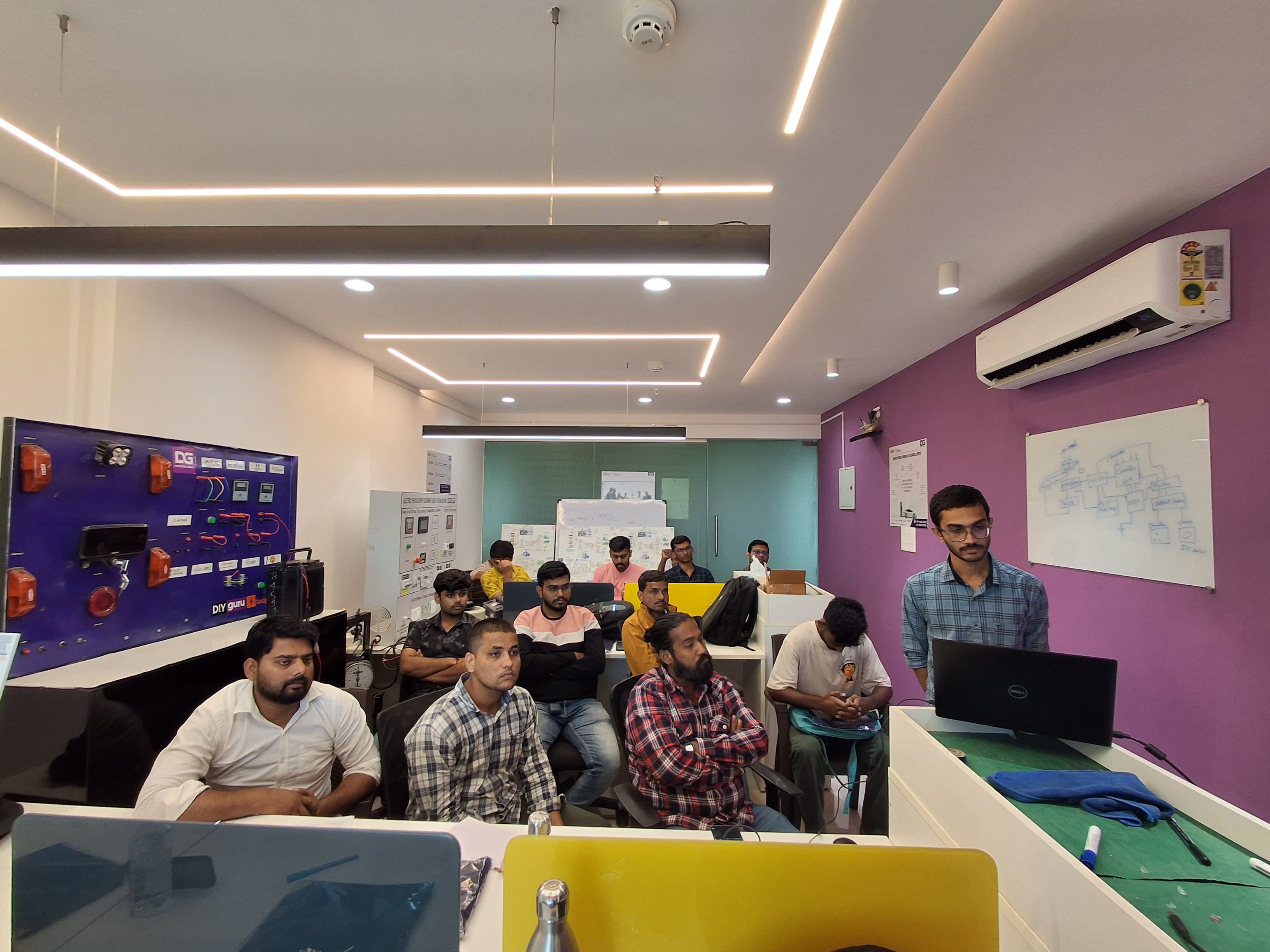
Pune batch graduating with DIYguru × ASDC certificates
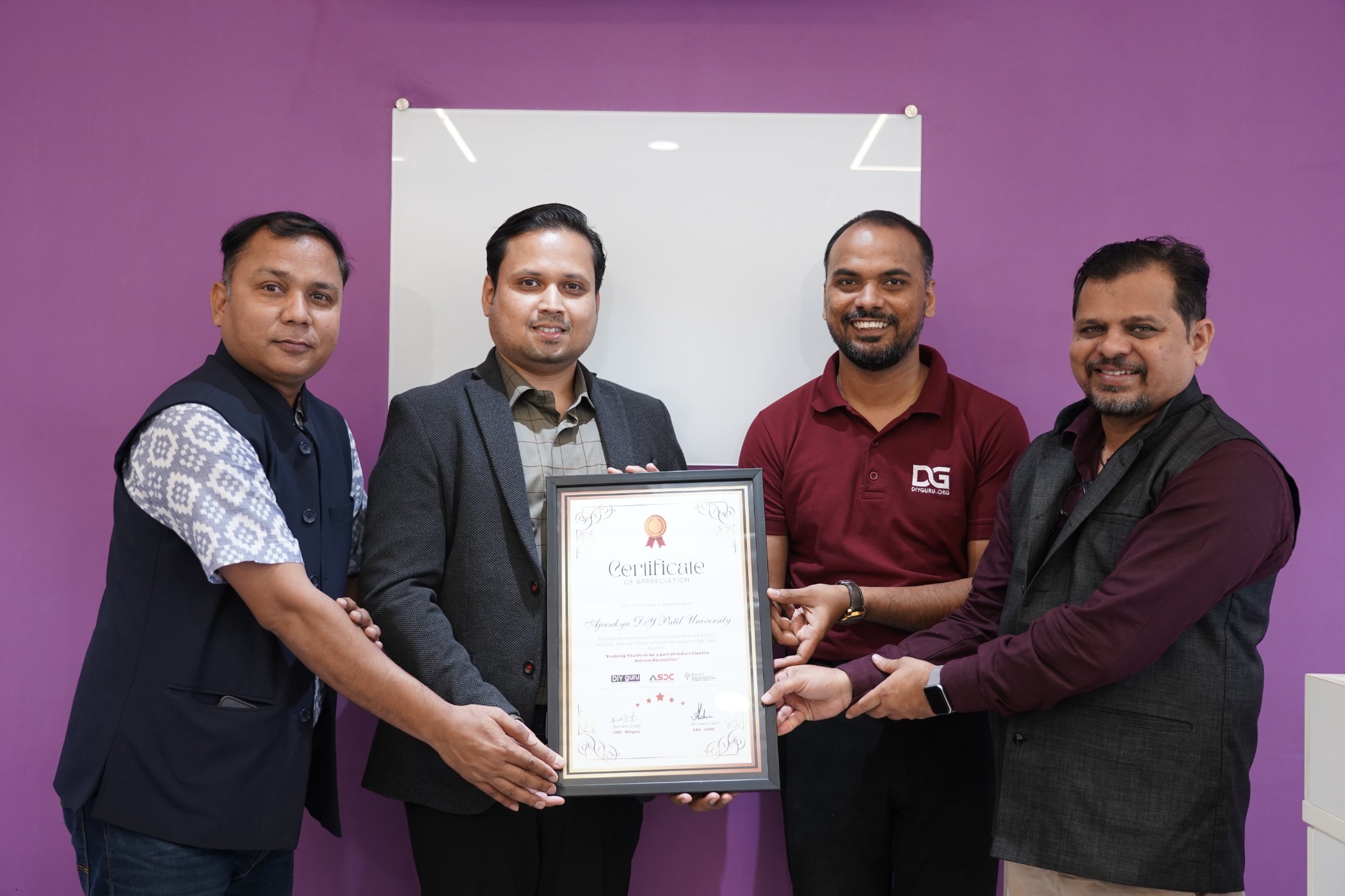
DIYguru is an officially accredited ASDC training partner
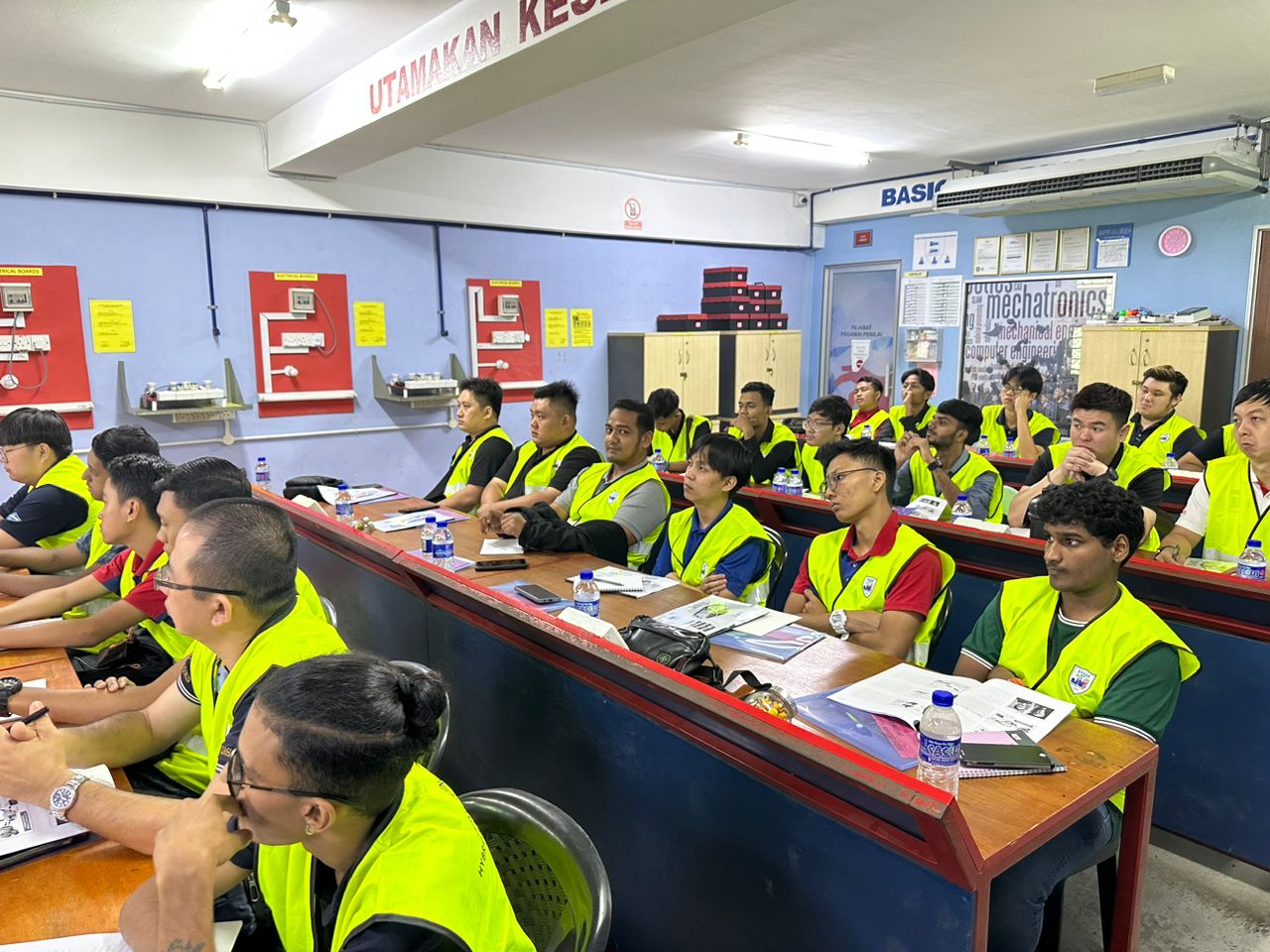
5,345+ verified learners — across India and 170+ countries
ALUMNI STORIES
What Our 50,000+ Alumni Say
4.8★ average from 5,345 verified reviews. Here's how the IIT-faculty-reviewed curriculum changed careers.
★★★★★
I joined DIYguru as a mechanical graduate with zero EV exposure. The IIT-faculty-reviewed curriculum and hands-on EVSE workshops gave me real confidence — I cleared my interview at Samarth EMobility and joined as Trainee Executive straight after completing the program.
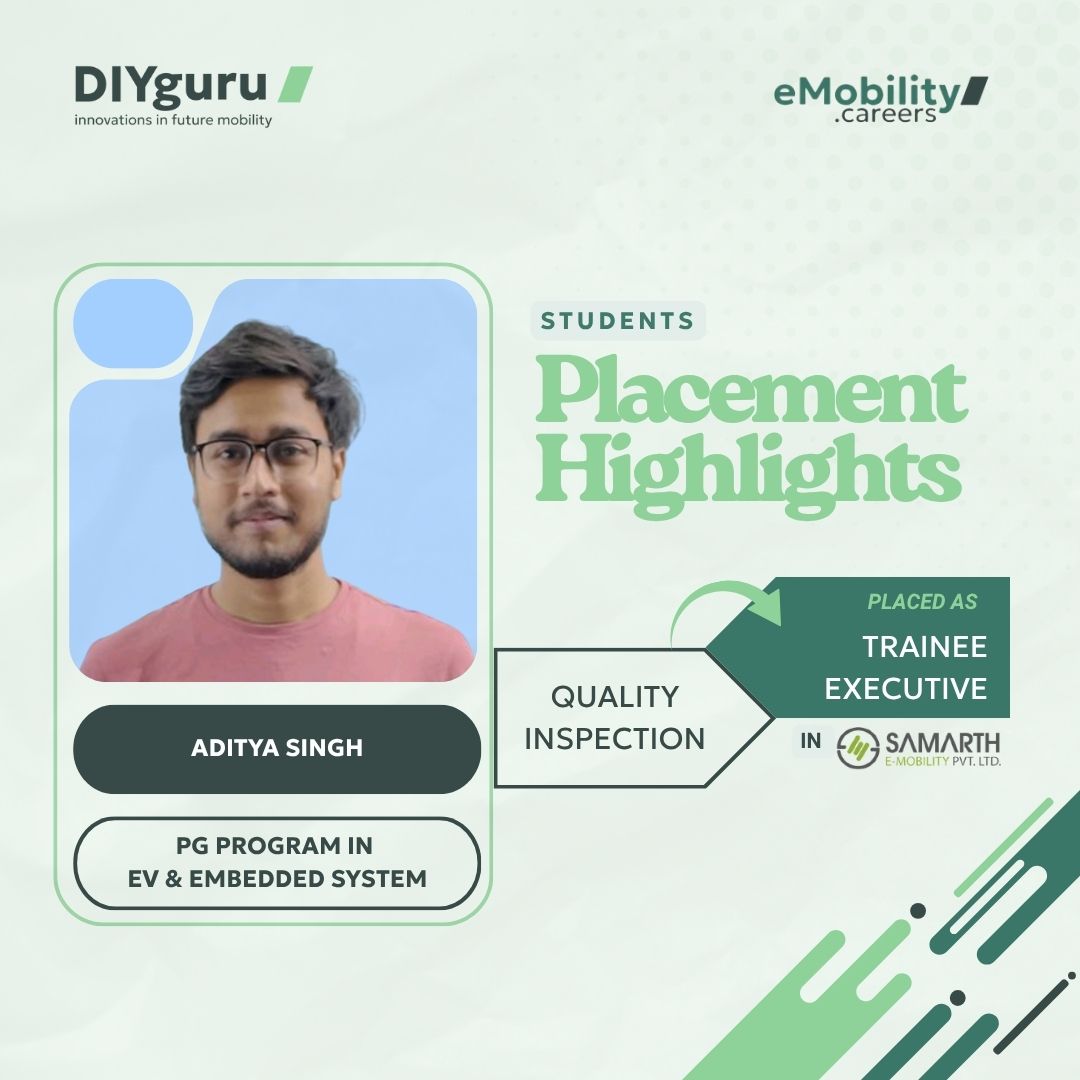
Aditya SinghTrainee Executive · Samarth EMobility
★★★★★
The hardware-based BMS and battery assembly modules were exactly what I needed. The placement team at emobility.careers connected me with BGAUSS within weeks — I now run quality inspection for their EV scooter line. Best EV course for practical skills in India.
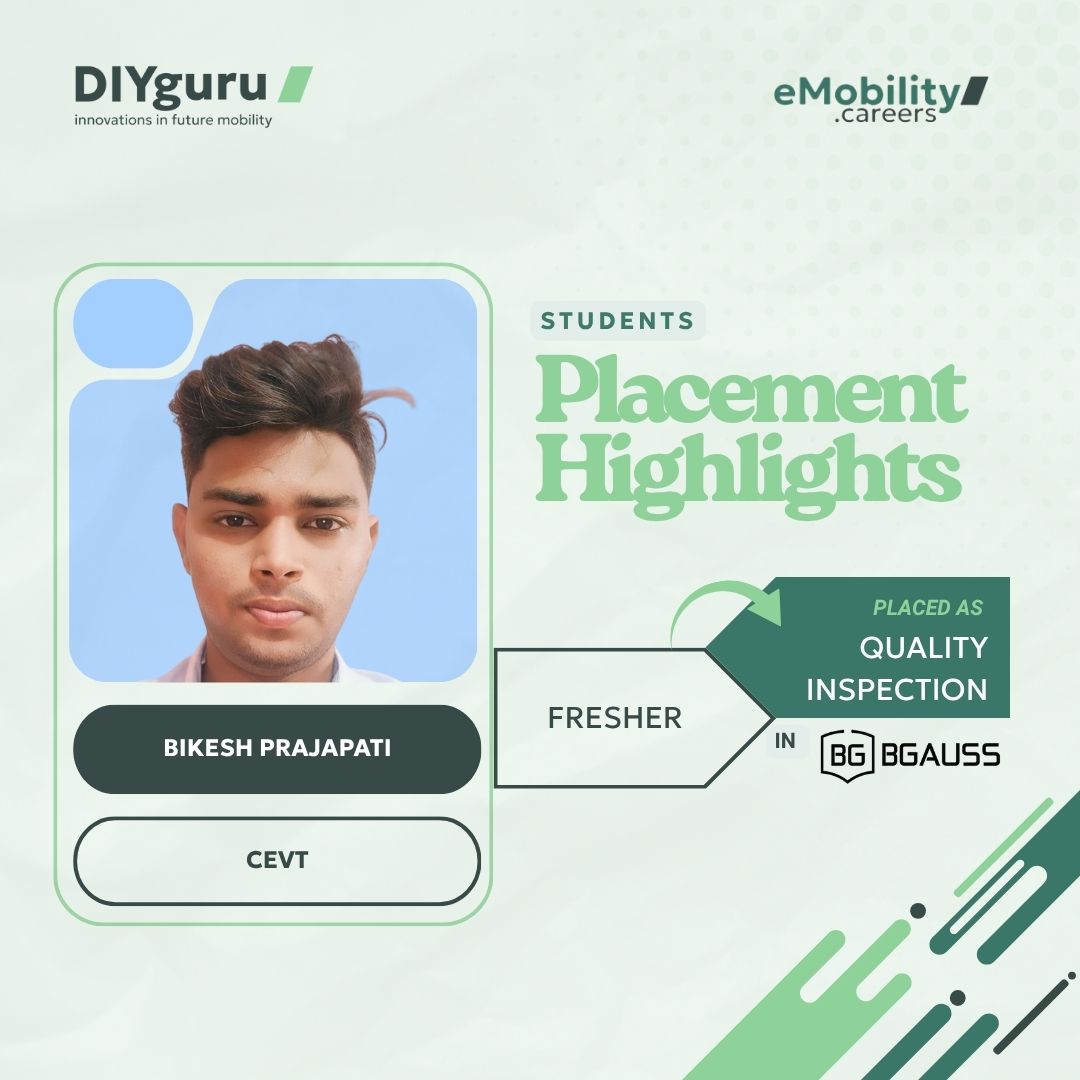
Bikesh PrajapatiQuality Inspection · BGAUSS
★★★★★
What sold me was the IIT Jammu I3C certificate plus ASDC recognition — employers actually asked about it in my interview. The course covered everything from Li-ion chemistry to MATLAB Simulink, and I now lead site engineering at Icon Engineering Works.
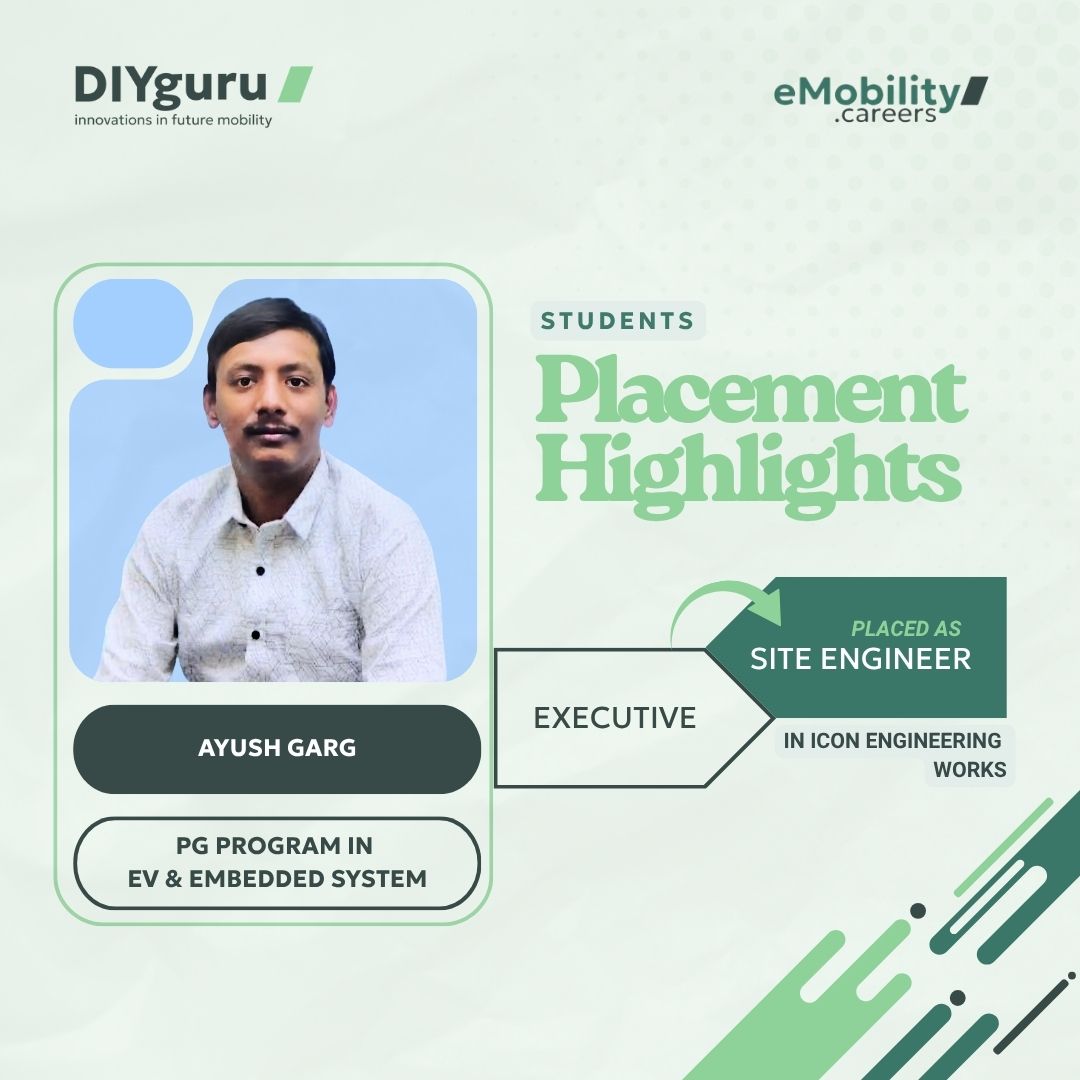
Ayush GargSite Engineer · Icon Engineering Works
★★★★★
I was working in ICE auto after my diploma. DIYguru's ASDC-aligned syllabus and real EV diagnostic training at the Delhi lab got me hired as a Service Technician at TIES. The switch to EV gave me a better role and a clear growth path.
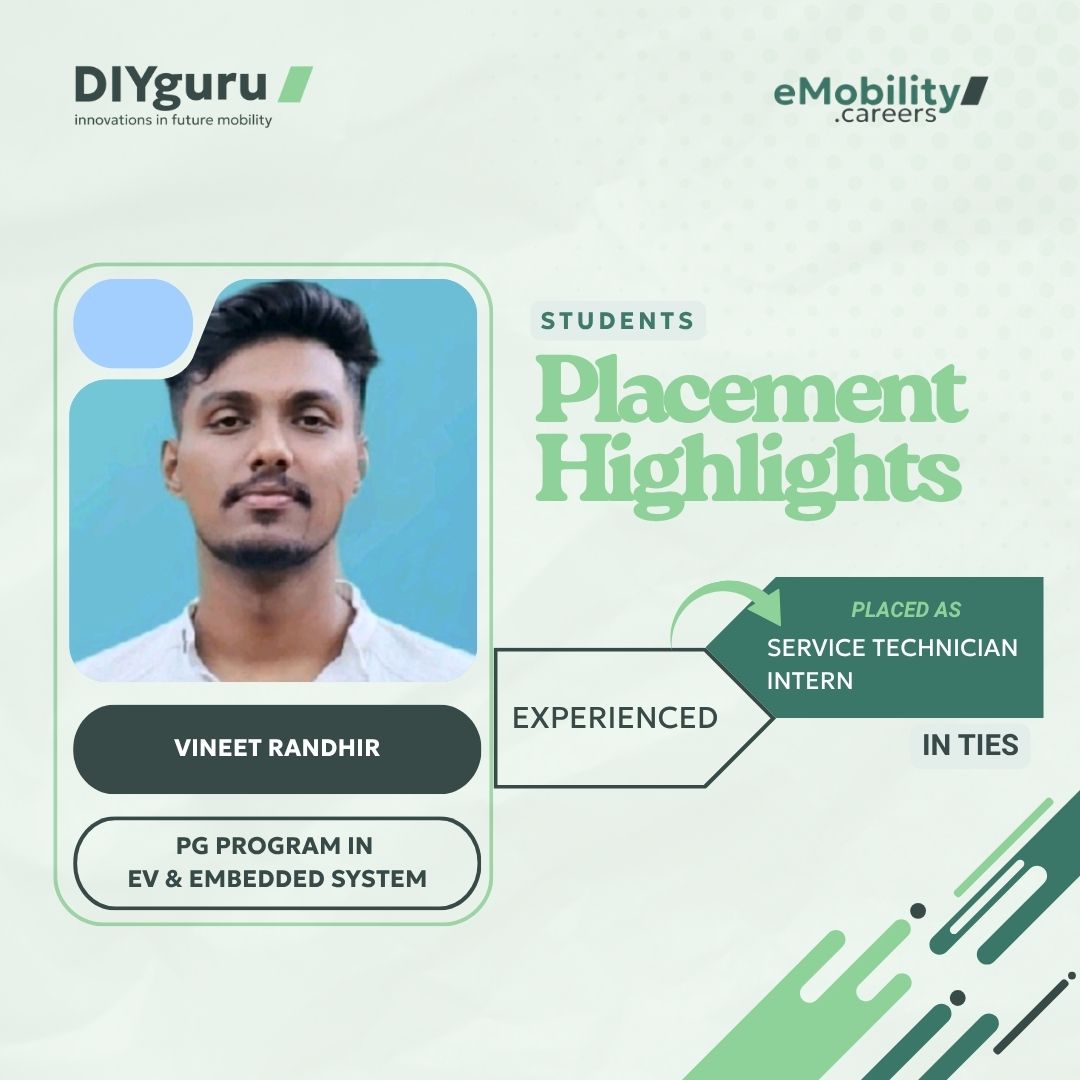
Vineet RandhirService Technician · TIES
★★★★★
The 3-day IIT Jammu campus immersion was the turning point — direct interaction with IIT professors, structured lab work, and live sessions with industry trainers. I cracked ReoNexus Greentech as a Trainee Executive soon after. Worth every rupee.
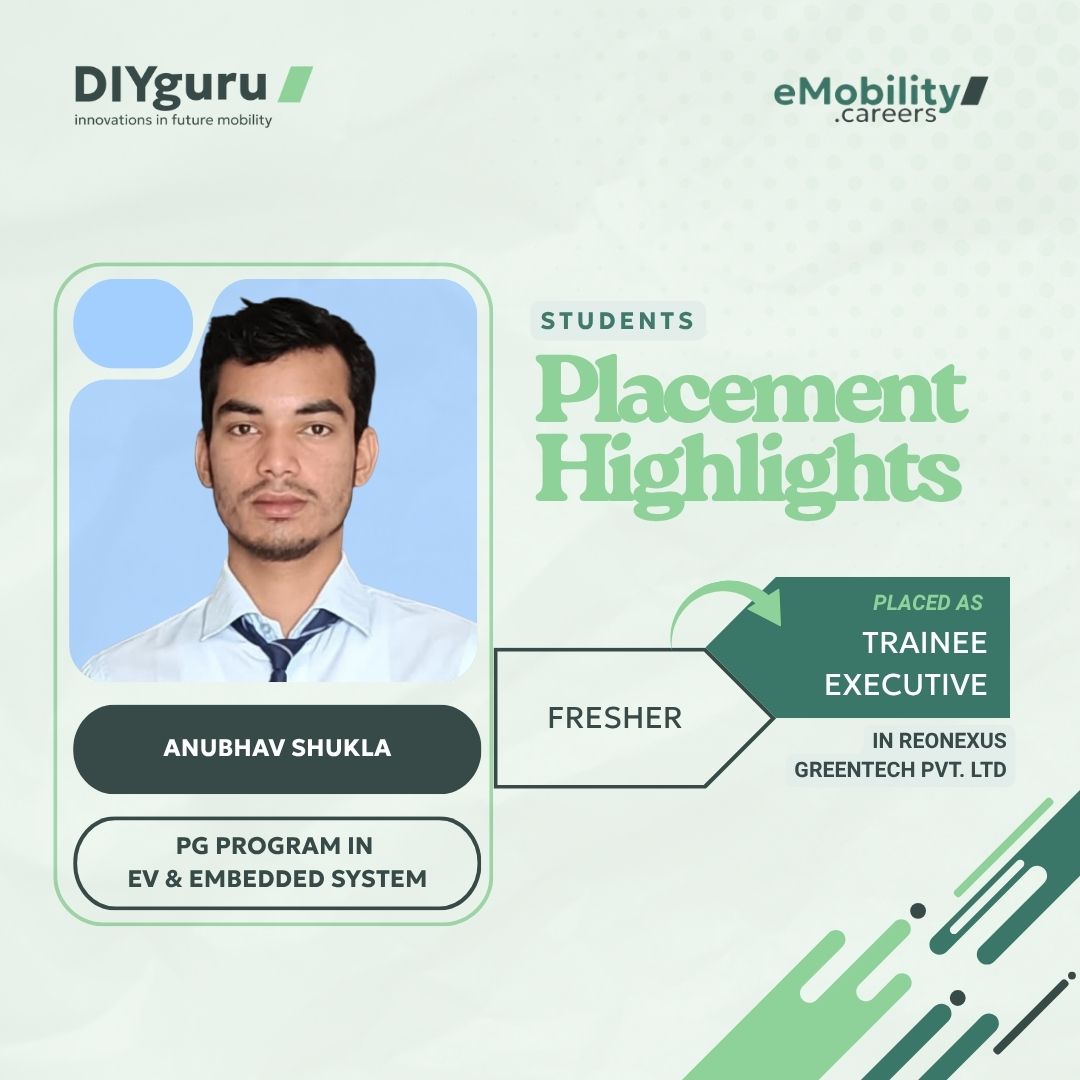
Anubhav ShuklaTrainee Executive · ReoNexus Greentech
★★★★★
Joined BGAUSS on the cluster flashing line right after the program. Honestly the hands-on firmware flashing sessions at the DIYguru Delhi lab were almost identical to what I do at work every day — the course prepares you for the actual floor.
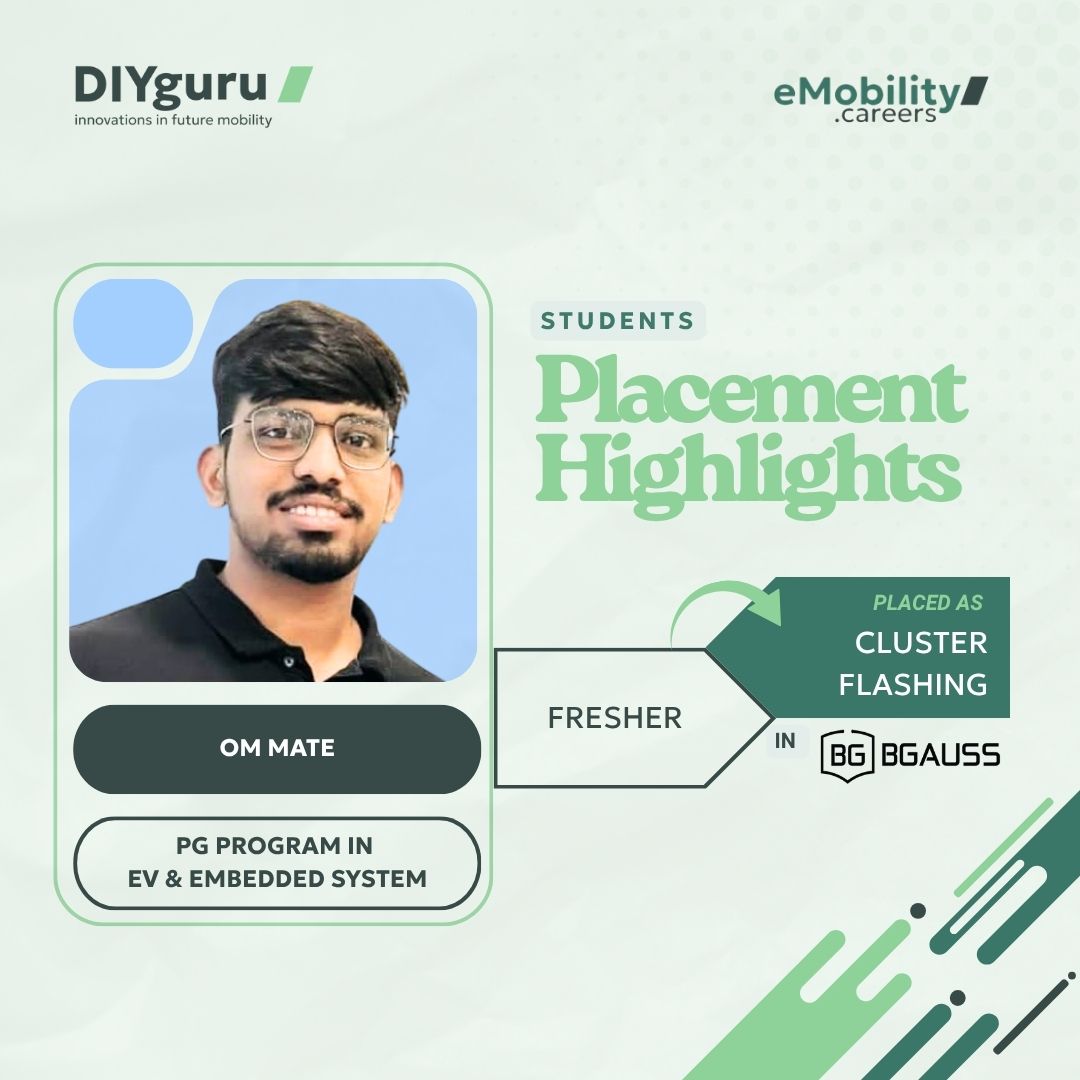
Om MateCluster Flashing · BGAUSS
FAQ
Frequently Asked Questions
Everything you need to know about India's most-reviewed EV course.
DIYguru's Electric Vehicle Course is rated India's #1 EV certification program in 2026 with a 4.8★ rating from 5,345 verified learners. Curriculum is reviewed by IIT Faculty including Dr. BK Panigrahi (Head, CART, IIT Delhi). It is the only EV course in India offered in collaboration with IIT Jammu I3C, certified by ASDC, AICTE NEAT, and NSDC. The course includes 6 months of live classes, 3-day IIT Jammu campus immersion, hands-on hardware workshops, capstone project, and placement support. Average package is ₹8.4 LPA across 300+ EV hiring partners.
Yes. The DIYguru EV Course curriculum is jointly developed and reviewed by IIT Jammu I3C faculty and senior advisors including Dr. BK Panigrahi (Head, CART — Centre for Automotive Research and Tribology, IIT Delhi). Live sessions are co-delivered by IIT professors, ASDC certified trainers and EV industry veterans from Bosch, Hyundai, Tata, Ola Electric and Ather Energy. This academic rigour is reflected in the 4.8★ rating from 5,345 learners.
DIYguru's EV Course is open to B.E./B.Tech students (any branch — Mechanical, Electrical, ECE, Auto, CSE), Diploma & ITI holders, working professionals from ICE automotive, MBA students, and entrepreneurs. No prior EV experience is required.
As per DIYguru's Q4 2025 placement data, the average package is ₹8.4 LPA. Freshers secure ₹8.4–8.5 LPA and skilled professionals reach ₹10–14 LPA. Top roles include Battery Engineer (₹13+ LPA), BMS Developer (₹10–18 LPA), and Powertrain Engineer (₹8–15 LPA).
Yes. The course carries four credentials: IIT Jammu I3C, ASDC (Govt of India), AICTE NEAT, and NSDC. DIYguru is also recognized by Ministry of Education and NITI Aayog.
The flagship program is 6 months with weekend live classes. Course fee is ₹49,000 inclusive of GST, with EMI starting at ₹4,083/month at 0% interest. Includes IIT Jammu certification, 3-day campus immersion, hardware workshops, capstone project, and placement support.
DIYguru is the only EV institute that combines all four credentials (IIT Jammu I3C + ASDC + AICTE NEAT + NSDC) in a single program. Unlike generic online platforms, DIYguru offers physical IIT campus immersion, hands-on hardware workshops with real EV components, live IIT-faculty sessions, and a dedicated EV-only placement network of 300+ hiring partners. With 50,000+ alumni and 5,345 verified reviews, DIYguru has trained more EV professionals than any other Indian institute.
Yes. The course is delivered in blended mode — live online classes (recorded for replay) + optional physical campus immersion at IIT Jammu and hands-on workshops at Delhi (Sultanpur) and Bangalore (JP Nagar) labs. Learners from 170+ countries have completed the program.
Yes. DIYguru provides dedicated placement support through emobility.careers — India's only EV-specific job portal with 300+ hiring partners. Services include resume building, mock interviews, 1-on-1 career mentoring, and exclusive EV job openings.
Join India's #1 EV Course. Limited Seats for April Batch.
Be among the next 1,000 EV professionals trained on the IIT-faculty-reviewed curriculum that earned a 4.8★ rating from 5,345 learners.
IIT Jammu I3C joint certificate
ASDC + AICTE NEAT + NSDC certified
3-day IIT Jammu campus immersion
Hands-on hardware workshops
300+ EV hiring partners
EMI from ₹4,083/month at 0%
4.8★5,345 verified reviews
50,000+EV professionals trained
₹8.4 LPAAverage placement package
300+EV hiring partners
₹49,000Course fee · 0% EMI available
REACH US
Talk to a DIYguru EV Career Advisor
📍
Delhi HQ
374, MG Road, Sultanpur,
Delhi 110030
📍
DIYguru Bangalore Training Center
Micelio Mobility, No: 736,
15th Cross Rd, JP Nagar Phase 6,
Bengaluru 560078
🏛️
IIT Jammu Campus
3-day immersion at IIT Jammu I3C,
Jammu & Kashmir
(Joint certification partner)
Our Clients
Trusted by 528+ Companies & OEMs
From global automotive OEMs and Tier-1 suppliers to EV startups, government bodies, and Fortune 500 companies.


Swipe to see more partners
Showing 39 of 528+ corporate training partners
Accreditations
Programs Recognised by Govt. Bodies & Industries
DIYguru is recognized and endorsed by major educational and governmental organizations including the Ministry of Education, NITI Aayog, and NEAT AICTE for its commitment to upskilling in automotive and EV technologies. The institute also collaborates with industry leaders like TATA Technologies and the Ola Mobility Institute to ensure the relevance and practicality of its training programs.


Swipe to see more accreditations
In The Media
DIYguru in the Press
ANI News
IIT Jammu Enters Into Collaboration With DIYguru To Launch Certificate Programs in EV Sector
Read →
PTI News
Tata Technologies Partners With DIYguru for Industry-Relevant E-Mobility Programs
Read →
The Print
DIYguru Partners With L&T Edutech for E-Mobility Training — Hardware-Enabled PG Program
Read →
Times of India
DIYguru and ADYPU Launch M.Tech Program in Electric Vehicle
Read →
Economic Times
DIYguru and Ajeenkya DY Patil University To Launch Integrated PG, M.Tech in EV
Read →
India Education Diary
AICTE–DIYguru MOU To Provide Jobs To One Million EV Workforce
Read →
Autocar Professional
ASDC & DIYguru Launch Nanodegree Program To Upskill Students in EV Technology
Read →
SiliconIndia
Tata Technologies & DIYguru Join Forces To Power India's Next-Gen eMobility Talent
Read →
TV9 Hindi
इलेक्ट्रिक कारों के मैकेनिक की बढ़ रही मांग — DIYguru से बना सकते हैं करियर
Read →
Zee News
Great Opportunity To Earn in the World of Electric Vehicles — Training & Method
Read →
National Skills Network
Roundtable on Skill Development for Electric Vehicles — DFID, ASDC & SSOU
Read →
Hindustan
DIYguru से हार्डवेयर सक्षमता के साथ EV बिजनेस और इंजीनियरिंग सीखें
Read →
Watch DIYguru
Lab Tours, Placements & Real Stories
🔧 Hands-On
EV Hands-on Training in Pune on Tata Tiago EV 🚘🔧
🎓 Placement
Build Your Career in the EV Industry Like Prabhat Gautam!
🏭 Lab Tour
DIYguru Lab Tour — E-Mobility Hardware Lab

🔩 Hardware
Introducing the Ultimate EV Training Kit by DIYguru & EVI Technologies

🌟 Alumni
Empowering Futures: Nitin Agarwal's Journey with DIYguru in EV
🚀 About Us
Welcome to DIYguru — India's #1 E-Mobility & FutureTech Platform
📊 Placement
Placement Spotlight: A Journey of Skills, Sustainability & Smart Choices
💬 Story
This Is More Than a Career Story — When Learning Meets Purpose

🌍 International
Mustafa From North Africa 🔥🔥 — Global EV Training
🎤 Masterclass
THE FAST TRACK TO AN EV CAREER — Masterclass by Avinash Singh
Ready to build your EV career? Talk to our counsellors today.
BOOK FREE CONSULTATION →
Your journey starts here.
DIYguru is India's leading AICTE-approved platform, equipping engineers, graduates, and professionals with the future-ready skills needed in Electric Vehicles (EVs), Battery Technology, Solar Energy, Green Hydrogen, and Clean Mobility.
Whether you're starting out or shifting your career toward sustainability — your journey begins here.
Why Choose DIYguru?
- AICTE-Approved Certifications
- Industry-Curated Courses (EV, Battery Design, Solar, Embedded Systems, BMS, MATLAB & more)
- Project-Based Learning using real case studies from Tesla, Tata Motors, Ather, and others
- Global Opportunities – Connect with 300+ hiring partners and international universities
- Work on Real-World Tools like MATLAB, SolidWorks, Python, Simulink, Ansys
Your journey starts here.
Ready to Begin? Drop your info, and we'll help you get there!
🔒 Your information is secure and will never be shared.
🎬 Unlock This Video
Enter your details to watch
Get instant access + free EV career guidance from our counsellors.
Please fill all fields correctly.
🔒 Your data is secure. We'll send you free EV career resources.


Let's Connect
Training programs · B2B partnerships · College workshops
Certification
Programs
Programs
B2B Corporate
Training
Training
College
Workshops
Workshops
Partnership &
Collaboration
Collaboration
Your data is secure · No spam · Expert callback within 2 hours