


Free Webinar Session
What is Hardware-in-the-Loop Testing in EVs?
Long before a vehicle reaches a dyno or a test track, engineers are already running full validation cycles. This free session walks you through how HIL testing works and why it matters for every EV engineer.
▶ Watch the Session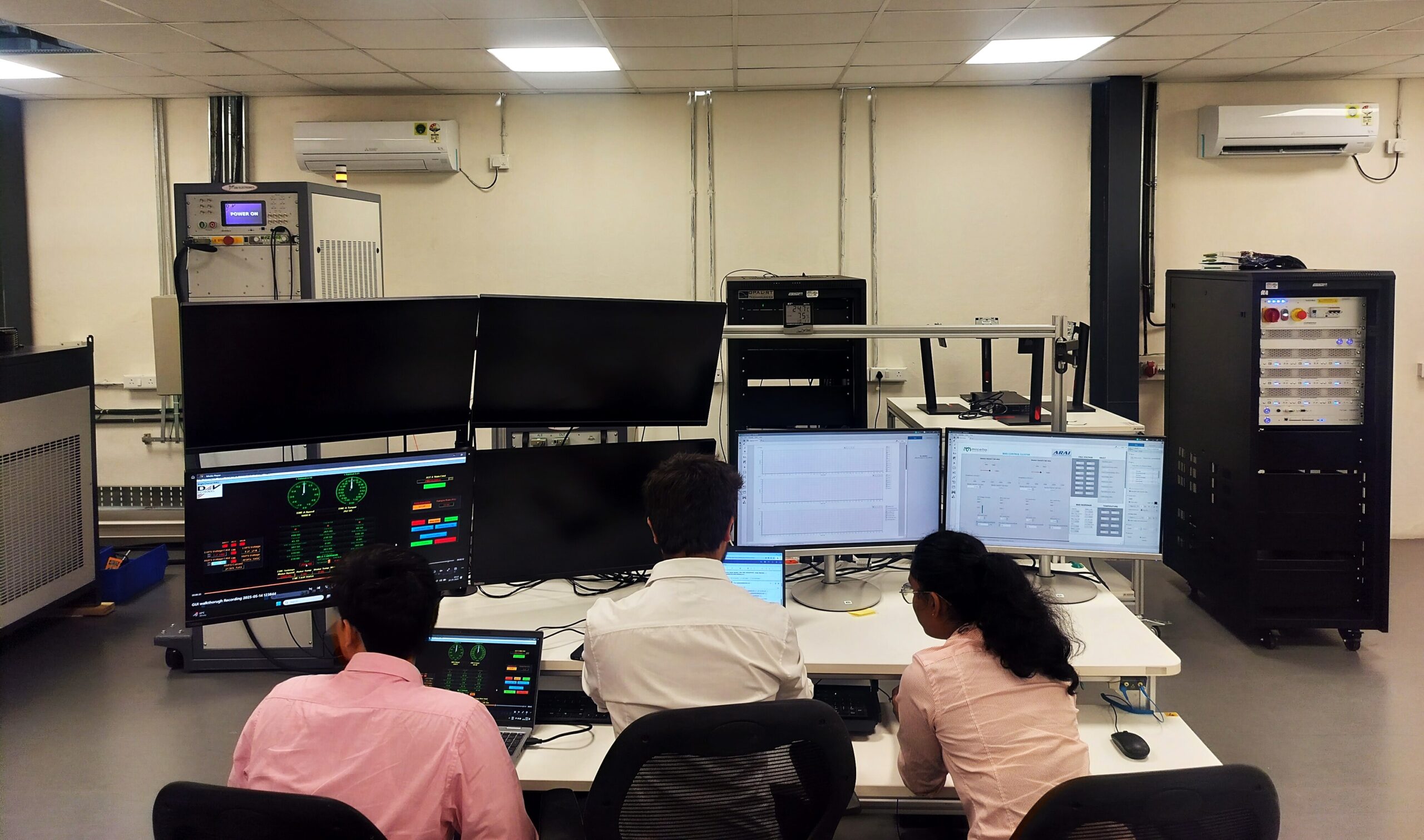
Live Setup
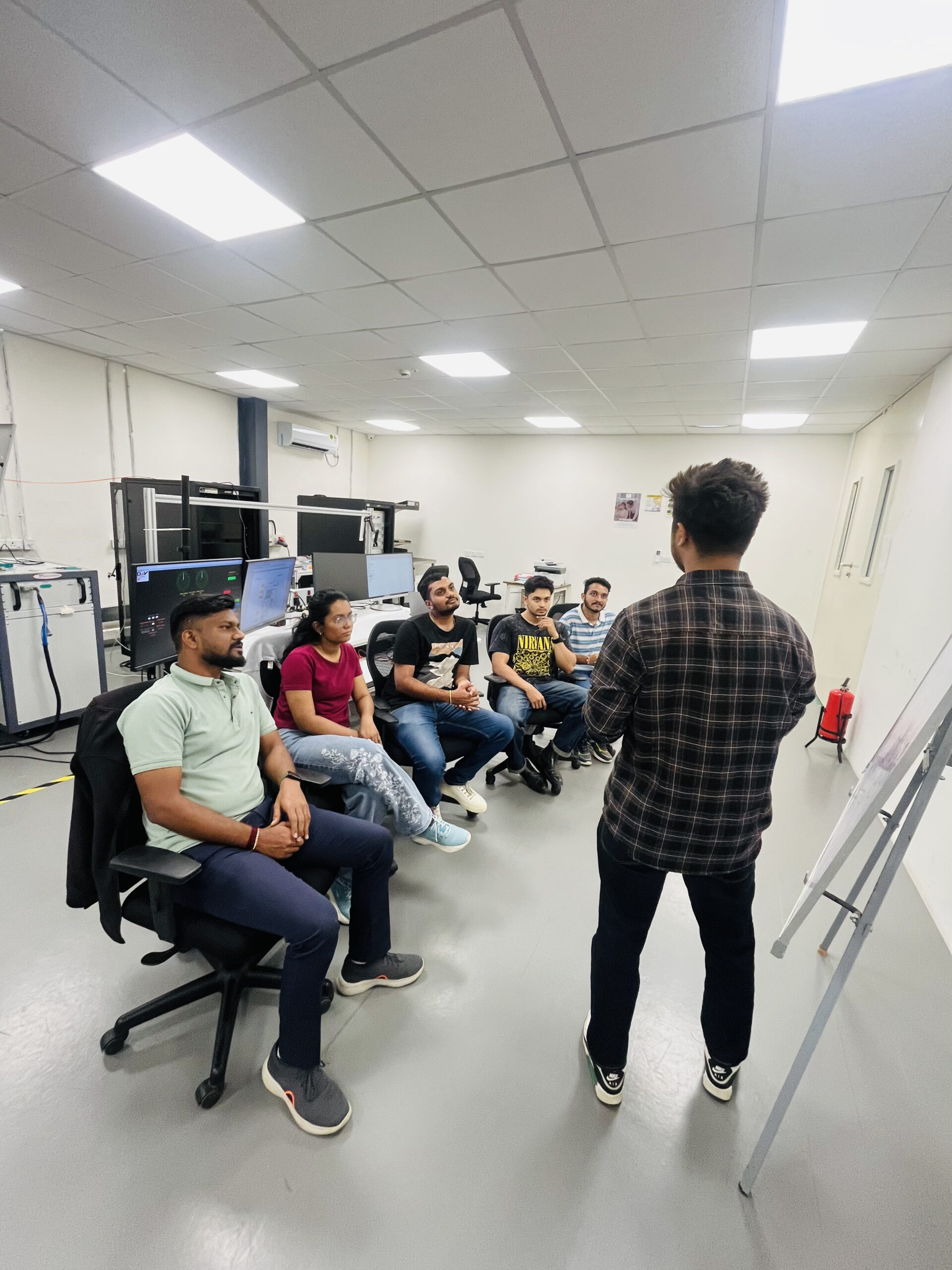
HIL Test Bench — Micelio Mobility
Session Recording
Watch the Full Session
A practical walkthrough of HIL testing presented by practitioners who work on HIL systems every day.
🔒
Continue watching for free
Fill in a few quick details to unlock the full session and receive these resources:
Full Webinar Replay
HIL Reference Sheet
EV Career Roadmap
WhatsApp Masterclass
Want to go deeper?
Explore the Full HIL Training Program
This session gives you the foundation. The full program covers HIL architecture, real-time simulation, MATLAB Simulink, dSPACE hands-on labs, BMS and ADAS validation, and industry project work.
The Basics
What is HIL Testing?
Most people picture vehicle testing happening on a road or a dyno. But by the time a prototype is built, engineers have already put the controller software through hundreds of test scenarios using Hardware-in-the-Loop (HIL) testing.
In a HIL setup, the real ECU — like a Battery Management System or a motor controller — is connected to a computer that simulates the rest of the vehicle. The ECU thinks it is inside a running car, responding to sensor signals and bus messages, while engineers watch exactly what happens without any physical risk.
The HIL testing market is projected to grow from about $1.27 billion in 2025 to nearly $2.6 billion by 2034, driven by the rise of EVs, ADAS, and software-defined vehicles. It has become a standard validation step in every major OEM's development pipeline.
How a HIL test runs
1
Build the plant model
Battery, motor or vehicle dynamics modelled in MATLAB Simulink
2
Connect real ECU hardware
Actual BMS or controller unit wired into the simulator
3
Run test scenarios
Simulate fault conditions, edge cases and normal operation
4
Validate and iterate
Fix issues in software before any physical prototype is at risk
Session Highlights
What This Session Covers
01
Where HIL fits in EV development
Understand the V-model development cycle and exactly where HIL sits between software simulation and physical testing.
02
What HIL is and how it works
A clear, jargon-light explanation of HIL architecture, the real-time simulator, signal I/O, and how the ECU is connected.
03
What systems can be validated
Battery management systems, ADAS controllers, motor drives, powertrain ECUs, and body electronics — all covered.
04
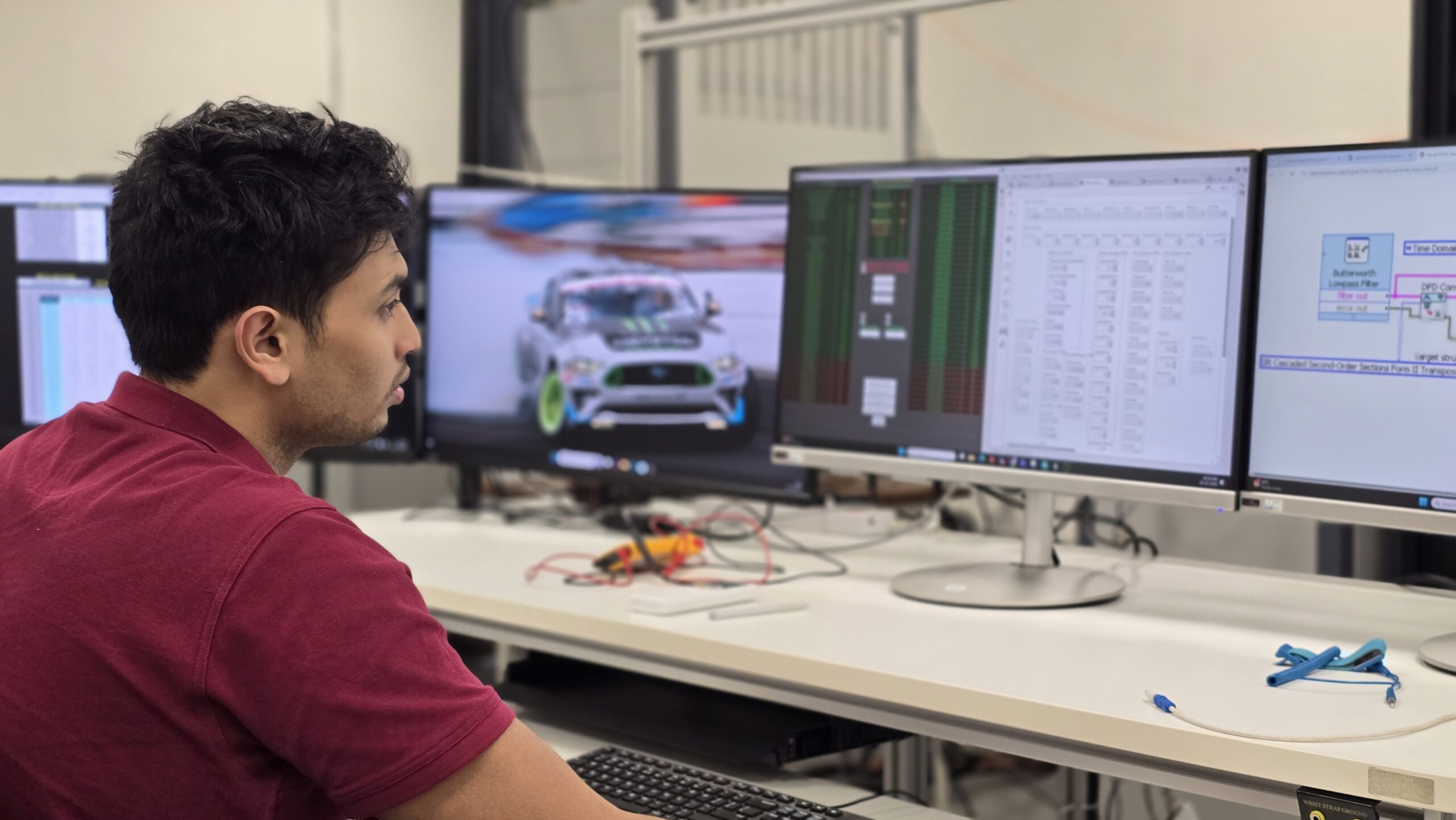
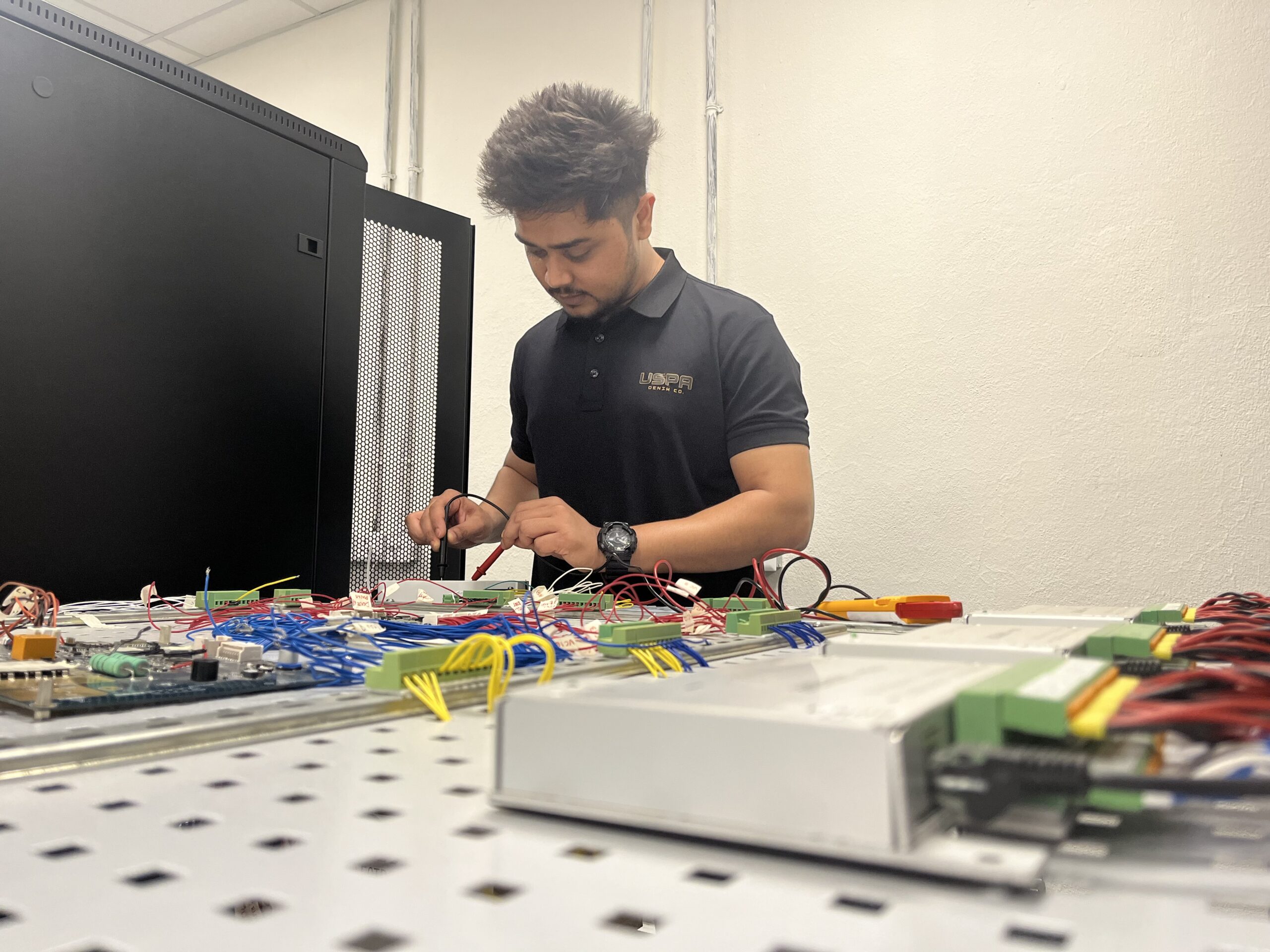
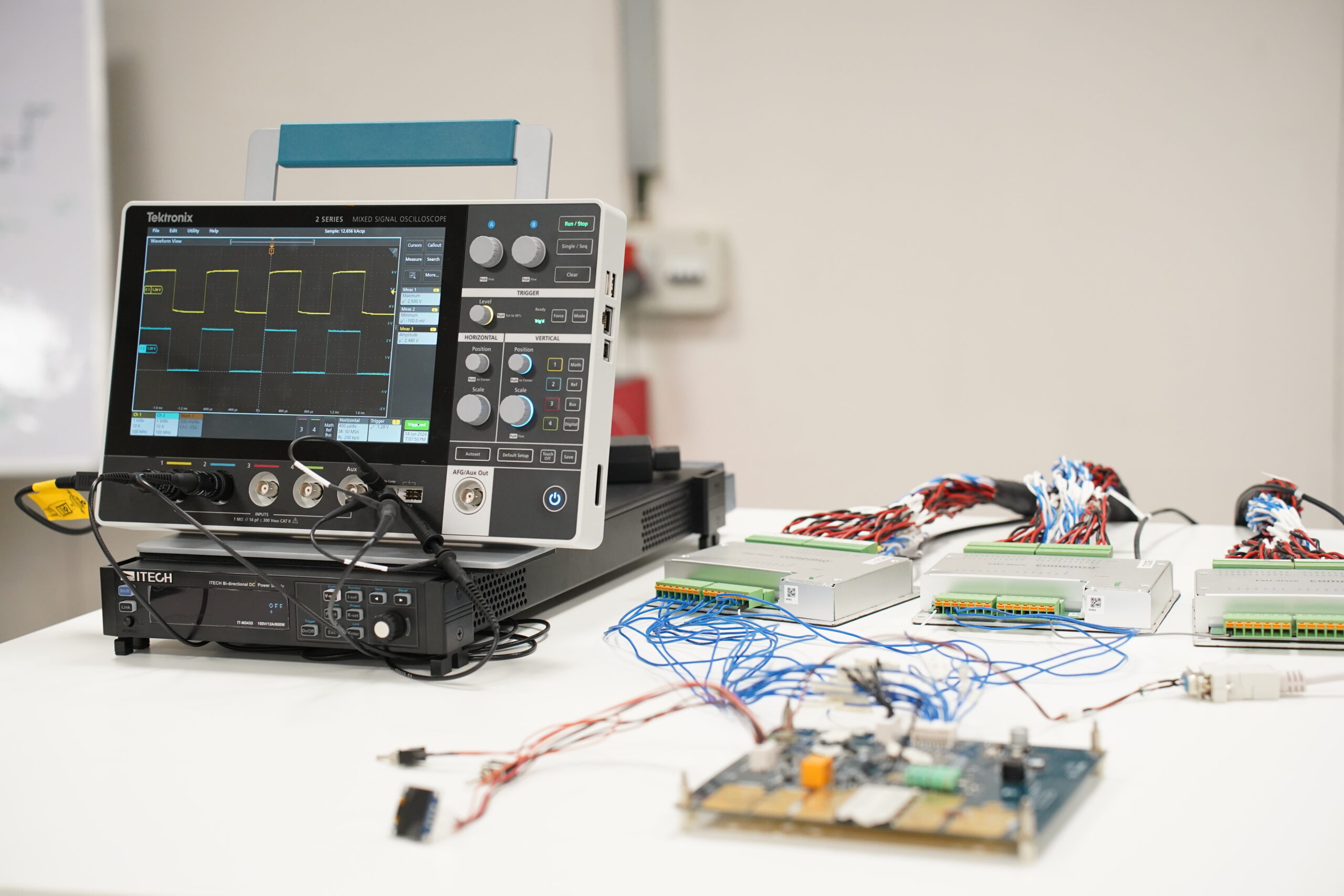
Live HIL demo
Watch real test cases being executed on an actual HIL bench, including fault injection and controller response.
Meet the Trainers
The Engineers Behind This Session
Both trainers work with HIL systems as part of their daily job at Micelio Mobility. This is not textbook knowledge.
CS
Chetan Singh
Deputy Manager — HIL Testing & Validation
Micelio Mobility
Micelio Mobility
8+ years in automotive embedded systems, model-based development, and test automation. Expertise in MATLAB/Simulink MBD, SIL, and HIL workflows covering BMS, MCU, VCU, and other ECU applications. Has developed real-time plant models, designed HIL architectures, implemented Power HIL test setups, and built automated regression suites. Led several production programs from early prototype to SOP with a focus on functional safety, diagnostics, and robustness in real-world EV scenarios.
NC
Noel Cheriyan
HIL Engineer, Micelio Mobility
M.Tech EV Technology
M.Tech EV Technology
M.Tech in EV Technology with 2 years hands-on HIL testing experience. Worked on HIL testing for 2-wheeler powertrain controllers, heavy-vehicle BMS, and Power-HIL setups for high-voltage motors and inverters. Specialises in model-based design for HIL — designing and validating real-time powertrain models, implementing on FPGA devices, configuring hardware interfaces, and building automated test scenarios for real-world driving and fault conditions.
Quick Answers
Common Questions
Do I need simulation tool experience to follow this session?+
No. The session is designed for engineers who are new to HIL. Everything is explained from first principles, so you can follow along even if you have never opened dSPACE or Simulink before.
I am a mechanical engineer. Is HIL relevant for me?+
Yes. Mechanical engineers are increasingly involved in HIL because the plant models — battery, motor, vehicle dynamics — require physical system knowledge to build correctly. Understanding HIL gives you a strong entry point into EV embedded systems and validation roles.
What tools are shown in the live demo?+
The session references MATLAB Simulink for plant modelling and dSPACE hardware as the real-time simulator. The live demo shows actual test execution and signal monitoring on a working HIL bench.
What is the difference between HIL and just running a simulation?+
In a pure simulation (MIL or SIL), everything runs as software on a computer. In HIL, the actual ECU hardware is connected and runs its real production code. This catches hardware-specific issues like timing errors and signal behaviour that software simulation cannot replicate.
Is there a full training program I can join after this?+
Yes. DIYguru offers a full Hardware-in-the-Loop Training Program covering HIL architecture, real-time simulation, Simulink model integration, dSPACE hands-on labs, and industry project work. Find it at diyguru.org/program/hardware-in-loop-hil-training-program
Free Access
Get the Full Session
and Resources
Register once and get everything: the full webinar replay, reference materials, and an invite to the live Q&A community.
✓
Full webinar replay with no time limit✓
HIL Architecture Reference Sheet (PDF)✓
EV Embedded Systems Career Roadmap✓
Invite to DIYguru's EV masterclass community on WhatsApp✓
Updates on upcoming live sessions and workshopsRegister for Free
Takes under 60 seconds.