


Electric Vehicle Course in Chennai
DIYGuru offers the best electric vehicle course in Chennai, Tamil Nadu


DIYGuru offers the best electric vehicle course in Chennai, Tamil Nadu

Electric vehicles (EVs) are not just the future of transportation but also a fascinating blend of technology and sustainability. If you’ve ever wondered how these vehicles work and what makes them different from traditional cars, let’s dive into the two key components that power them: electric motors and batteries. Types of Motors There are mainly two types […]

Electric vehicles (EVs) are revolutionizing the transportation industry by offering a cleaner, more sustainable alternative to traditional internal combustion engine vehicles. With advancements in battery technology, charging infrastructure, and autonomous driving systems, future EV technology is making electric vehicles more accessible and practical for everyday use. This article explores the emerging trends in Electric Vehicle […]

Chandan Kumar Karn’s story is one of dedication and rapid career growth. After just six months in DIYguru’s Electric Vehicle Programme, Chandan landed a coveted job at Sandip University with a significant salary increase. His success highlights the transformative power of education and hands-on experience in the booming EV industry.

Prabhat’s journey with DIYguru led to significant milestones:
Enhanced Expertise: Became an expert in EV technology, contributing to roles at ICAT and Xero EV.
Dream Jobs Secured: Landed prestigious positions, including his current role at ICAT.

When choosing an M Tech program, it is important to consider your own interests and career goals. You should also research the curriculum, faculty, and facilities of each program to make sure it is a good fit for you.

Here’s a list of Top 10 Colleges for PG in Electric Vehicle in India, along with key details about each program:
A PG in Electric Vehicle Technology (EV Tech) delves deeper than just understanding how EVs work. It equips you with the expertise to become a key player in this rapidly transforming industry, shaping the future of sustainable transportation.
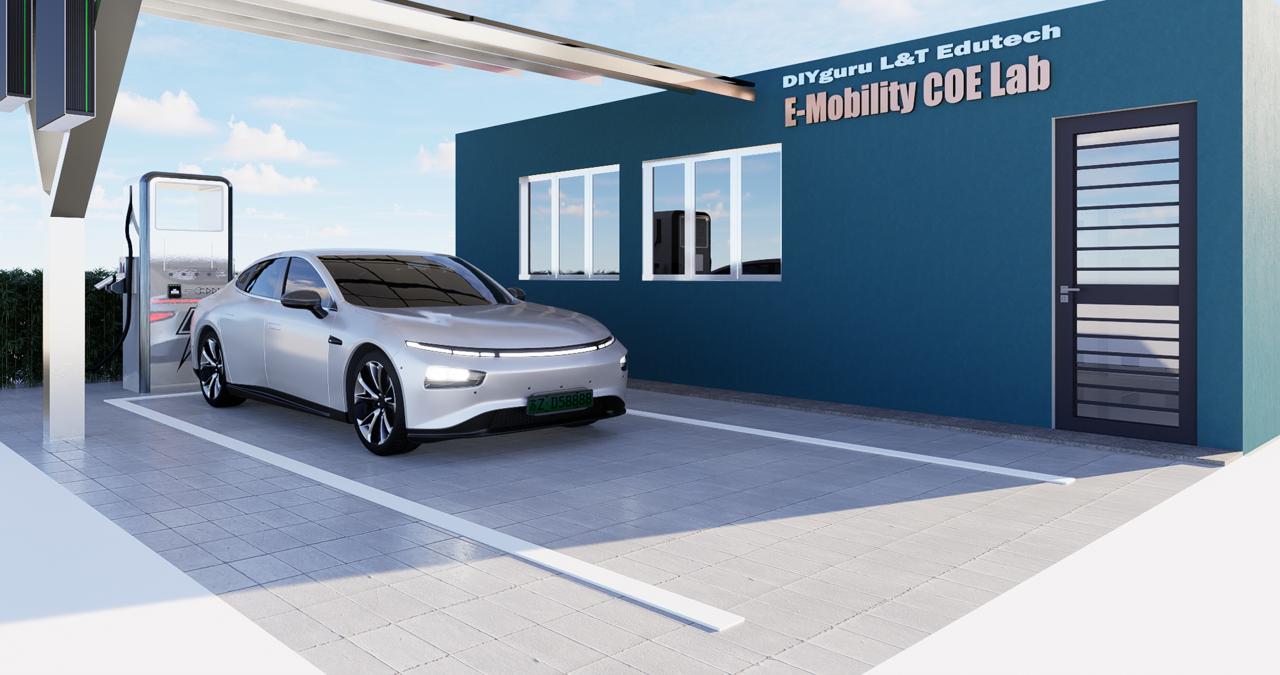
M Tech in Electric Vehicle Technology is a postgraduate program that focuses on the design, development, and operation of electric vehicles (EVs)
Project Description We were given the project “Li-ion and BMS modeling for controlling fault events”. The main purpose of the study is to determine the fault events caused by over charge, over discharge, under voltage, over voltage, low temperature and high temperature situations and detect these anomalies and accordingly break the circuit for further escalation […]

Training programs · B2B partnerships · College workshops