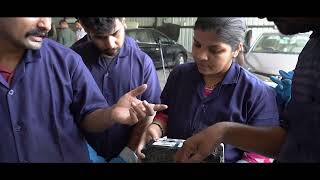
Hands-on training is the most critical bridge between theory and industry readiness in EV careers. Unlike purely online courses, workshops and bootcamps immerse learners in real vehicles, components, and diagnostic tools, ensuring applied competence.
They typically run from 3-day intensive bootcamps to 6-month hybrid programs with project deliverables.
DIYguru Hands-On Training Programs #
DIYguru has become a pioneer in experiential EV learning in India.
- EV Hands-On Workshop Series
- 2W & 3W Training: Motor installation, controller programming, battery assembly.
- 4W EV Retrofit & Diagnostics: Using Mahindra e-Verito and Maruti EV retrofits.
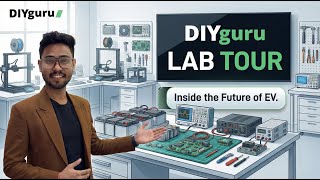
- Battery Pack Assembly Lab: Cell testing, BMS configuration, safety validation.
- 2W & 3W Training: Motor installation, controller programming, battery assembly.
- Flagship Programs:
- DIYguru-IIT Guwahati PG Certification (with Lab Component) → Hybrid model combining online theory with physical lab sessions at DIYguru centers.
- DIYguru-ADYPU M.Tech Program → Includes semester-long labs in charging infra, embedded systems, and powertrain diagnostics.
- DIYguru Nanodegree Bootcamps with Tata Technologies → Industry projects aligned with Tata’s EV ecosystem.
- DIYguru-IIT Guwahati PG Certification (with Lab Component) → Hybrid model combining online theory with physical lab sessions at DIYguru centers.
- Unique Value:
- First-of-its-kind DIYguru EV Lab Manual (700+ pages) deployed in multiple Indian universities.
- Students build capstone projects: E-Bike prototypes, Battery Testing Rigs, Charging Stations.
- First-of-its-kind DIYguru EV Lab Manual (700+ pages) deployed in multiple Indian universities.
Manufacturer-Sponsored Workshops #
OEMs and startups are increasingly running specialized training camps for engineering students and professionals:
- Tata Motors EV Technology Bootcamp
- Focus: EV powertrain design, diagnostic software, fleet servicing.
- Hands-on exposure with Nexon EV & Ace EV.
- Focus: EV powertrain design, diagnostic software, fleet servicing.
- Mahindra Electric Engineering Workshop
- Topics: Retrofits, EV drivetrains, charging standards.
- Practical sessions in collaboration with service centers.
- Topics: Retrofits, EV drivetrains, charging standards.
- Ola Electric Innovation Camps
- Focus on two-wheeler design, battery swapping infra, and scooter teardown labs.
- Focus on two-wheeler design, battery swapping infra, and scooter teardown labs.
- Ather Energy Technical Training
- Includes connected mobility software debugging, embedded systems labs, and predictive maintenance projects.
- Includes connected mobility software debugging, embedded systems labs, and predictive maintenance projects.
Industry Association Programs #
Professional associations deliver structured workshops backed by research institutions:
- SAE India Technical Workshops
- Formula Bharat EV student competitions.
- Electric drivetrain hackathons.
- Simulation-based design workshops (MATLAB/Simulink for EVs).
- Formula Bharat EV student competitions.
- Automotive Research Association of India (ARAI)
- Short-term certification workshops on:
- EV Powertrain Design
- BMS Development
- Charging & Grid Integration
- EV Powertrain Design
- Delivered at ARAI Pune campus with industry experts.
- Short-term certification workshops on:
- FISITA & International Mobility Associations
- Offer global student competitions (FISITA World Congress, EV Hackathons).
- Offer global student competitions (FISITA World Congress, EV Hackathons).
Workshop Focus Areas #
| Focus Area | Practical Exposure | Career Relevance |
| Battery Design & Assembly | Cell selection, pack balancing, thermal systems | Battery Engineer, BMS Specialist |
| Electric Powertrain Engineering | Motor teardown, inverter tuning, controller calibration | Powertrain Engineer |
| Charging Infrastructure Development | Fast-charging stations, grid testing, V2G trials | Charging Infra Specialist |
| EV Software & Connectivity | Embedded coding, CAN bus diagnostics, IoT integration | EV Embedded Engineer |
| Advanced Diagnostic Techniques | Use of OBD-II, CAN analyzers, cloud dashboards | EV Service/Diagnostics Engineer |
Formats of Workshops #
- Bootcamps (3-7 Days): Intensive, topic-focused (battery, charging, powertrain).
- Semester-Integrated Labs (3-6 Months): DIYguru-ADYPU, DIYguru-IIT Guwahati hybrid programs.
- Corporate Skilling Workshops (2-4 Weeks): Tata Tech-DIYguru programs for upskilling employees.
- Student Competitions & Hackathons (Ongoing): SAE India EV challenge, FISITA design hackathons.
Value Proposition #
- Practical Exposure: Learn with real vehicles, cells, motors, controllers, charging stations.
- Portfolio Development: Capstone projects showcased on LinkedIn/GitHub for career branding.
- Networking: Exposure to industry engineers & recruiters during bootcamps.
- Placement Readiness: Employers value workshop-trained students more than purely online learners.
📌 Actionable Takeaway for Students
- Start with a DIYguru EV Workshop to gain foundation.
- Advance to OEM/ARAI workshops for niche technical skills.
- Compete in SAE India / hackathons to stand out in placement drives.
FAQs: #
Q1. Why are workshops and bootcamps important for EV careers?
They provide hands-on exposure to real EV components, diagnostics, and assembly, bridging the gap between theoretical learning and industry readiness.
Q2. How long do these programs usually last?
- Bootcamps: 3-7 days (topic-focused)
- Hybrid/semester labs: 3-6 months (with projects)
- Corporate skilling workshops: 2-4 weeks
- Student competitions: Ongoing (e.g., SAE India, FISITA)
Q3. What types of hands-on training does DIYguru provide?
DIYguru offers 2W & 3W motor and controller training, 4W EV retrofits, battery pack assembly labs, hybrid PG certifications (IIT Guwahati), M.Tech (ADYPU), and industry nanodegree bootcamps with Tata Technologies.
Q4. What makes DIYguru workshops unique?
They use a 700+ page EV Lab Manual, capstone projects like e-bike prototypes and charging station builds, and hybrid learning models combining theory with lab sessions.
Q5. Which manufacturers sponsor EV training workshops?
- Tata Motors – powertrain design, Nexon EV fleet diagnostics
- Mahindra Electric – retrofits, drivetrains, charging standards
- Ola Electric – scooter teardown, battery swapping infra
- Ather Energy – connected mobility and embedded systems labs
Q6. What role do professional associations like SAE India and ARAI play?
- SAE India: Formula Bharat EV, drivetrain hackathons, MATLAB/Simulink design workshops
- ARAI (Pune): short-term certifications in powertrain design, BMS, and grid integration
- FISITA & International bodies: global EV hackathons and student mobility congresses
Q7. What are the main focus areas in EV workshops?
- Battery Design & Assembly → roles: Battery Engineer, BMS Specialist
- Electric Powertrain → Powertrain Engineer
- Charging Infrastructure → Charging Infra Specialist
- EV Software & Connectivity → Embedded Engineer
- Advanced Diagnostics → Service/Diagnostics Engineer
Q8. Who should attend these workshops?
- Students: to gain practical foundations and stand out in placements
- Working professionals: for upskilling in EV roles
- Researchers/Startups: to prototype and validate solutions quickly
Q9. Do workshops improve placement opportunities?
Yes. Recruiters prefer students with hands-on lab exposure, portfolio-ready projects, and hackathon experience, as it demonstrates applied competence beyond theory.
Q10. What is the recommended learning pathway for students?
- Start with a DIYguru EV Workshop → build fundamentals
- Advance to OEM/ARAI workshops → gain niche technical skills
- Participate in competitions/hackathons → showcase innovation & secure placements